
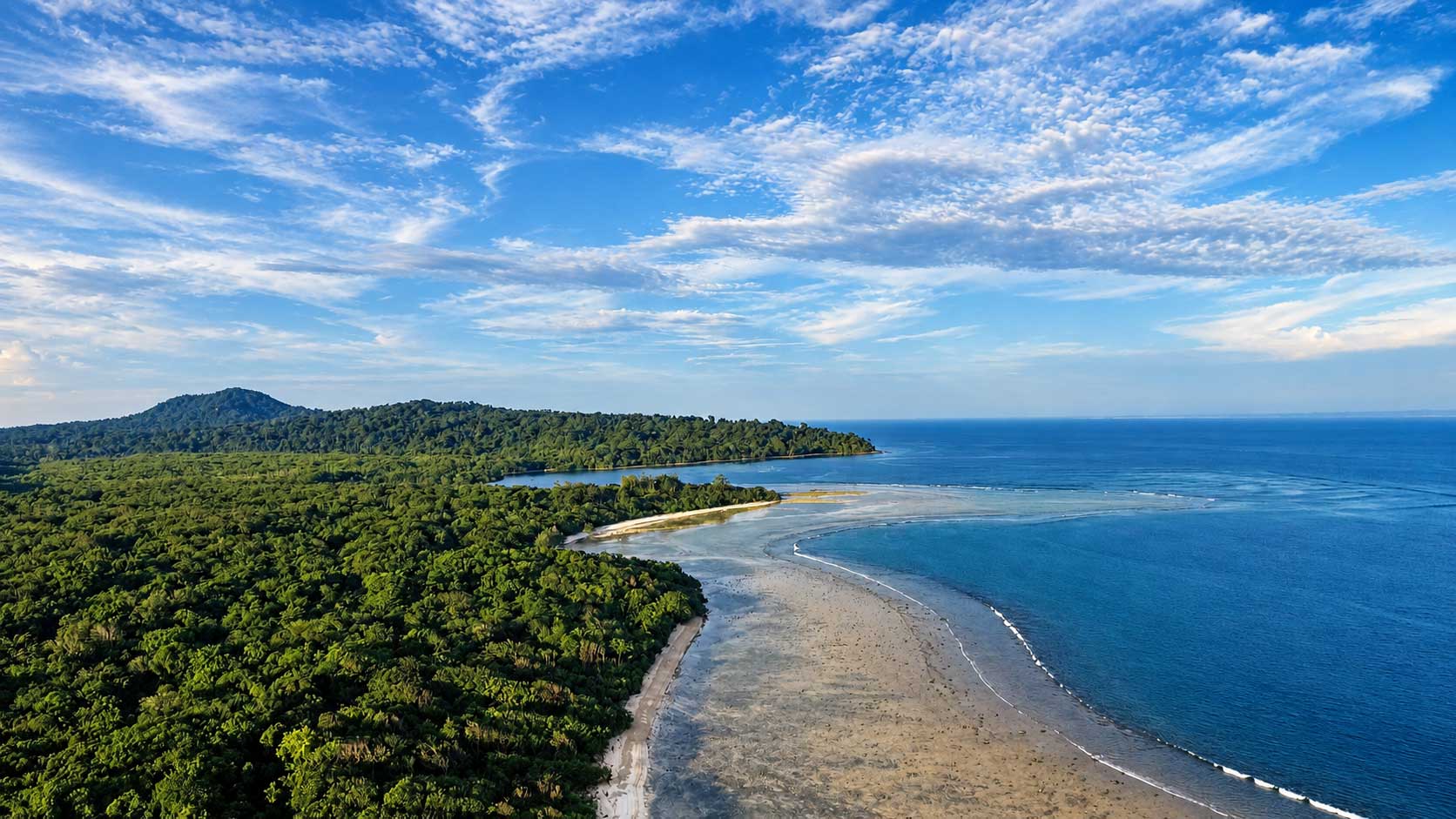
Panaitan Island in Ujung Kulon National Park

Ujung Kulon · Banten

Panaitan Island

Discover a remote island of powerful surf breaks, forested headlands, coral-rich waters and the rugged natural beauty of Indonesia’s Sunda Strait.

Discover Panaitan Island

A Remote Island Where Ocean, Forest and Adventure Meet

Panaitan Island lies within Ujung Kulon National Park off the western tip of Java in Banten, Indonesia. Its rugged coastline, tropical forest, reefs and remote surf breaks give it a character distinct from more developed beach destinations. It is especially known among experienced surfers for powerful waves, including the famous One Palm Point area. Away from the surf, visitors can appreciate coastal scenery, marine habitats and the forested interior. As part of a protected national park, access and activities must follow current conservation rules, local guidance and sea conditions.

Location

Ujung Kulon

Known For

Remote Surf Breaks

Landscapes

Forest & Coral Coast

Travel Style

Guided Adventure

Explore the island

What Makes Panaitan Island Special?

Panaitan is not a resort island. Its appeal comes from the powerful ocean, remote natural settings and the need to travel thoughtfully in a protected landscape.

Surfing and the Sea

A Destination for Experienced Surfers

ONE PALM
POINT

Powerful Waves in a Remote Setting

Panaitan is internationally known in surf circles for powerful reef breaks, including One Palm Point. Wave quality changes with swell, wind, tide and season, and conditions can be challenging. These breaks are not appropriate for beginners or casual swimmers. Surf only if your ability matches the conditions, use experienced local guidance, and confirm current access and safety arrangements before travelling. Past reports are never a guarantee of safe surf.

REEFS &
COASTLINE

Coral Reefs and Marine Environments

The waters around Panaitan include coral and rocky reef habitats that contribute to the park's wider marine biodiversity. Snorkelling or diving should only take place at permitted sites and when sea conditions, currents and visibility are suitable. Some dive areas can be demanding and are not recommended for beginners. Avoid standing on or touching coral, never collect marine life, and follow instructions from qualified guides and park staff.

TROPICAL
FOREST

Wild Landscapes Beyond the Beach

Panaitan's interior contains forest and wildlife habitat, making the island more than a surf stop. Wildlife sightings are unpredictable and should never be pursued. If trekking or nature walks are permitted for your itinerary, remain with an authorized guide, stay on approved routes and avoid disturbing animals or vegetation. Remote conditions make preparation, respect for local instructions and flexibility essential.

MOUNT
RAKSA

Natural and Cultural Interest

Mount Raksa is a notable landmark on Panaitan and is associated with historic Hindu imagery, including a Ganesha statue reported at its summit. Any visit to cultural or interior sites depends on authorized access, route conditions and park rules. Treat these places respectfully and do not remove, touch or damage cultural features. Ask park staff or your guide which locations can be visited during your trip.

Visitor experience

How to Plan a Panaitan Island Trip

Because Panaitan is remote and protected, a successful visit depends on matching activities to your experience, arranging logistics in advance and respecting conservation requirements.

What You May Enjoy

  • Surfing at permitted breaks when swell and weather are suitable, for experienced surfers only.
  • Enjoying remote coastal scenery and observing the changing character of the sea.
  • Marine activities at authorized locations with qualified guides and suitable conditions.
  • Learning about tropical forest, island ecology and the wider Ujung Kulon landscape.
  • Exploring Mount Raksa or cultural points only when access is officially permitted.
  • Including Panaitan in a properly arranged Ujung Kulon expedition.

Responsible Visitor Guidelines

  • Confirm park permits, boat arrangements, access restrictions and activity availability before departure.
  • Use qualified local guides and follow directions from national park officers.
  • Do not surf beyond your ability or enter the water when conditions are unsafe.
  • Do not touch coral, feed wildlife, collect plants or animals, or leave rubbish behind.
  • Respect cultural and conservation sites; enter only areas open to visitors.
  • Allow plans to change due to swell, wind, currents, rain or park management decisions.
Getting there

Arrange Boat Access and Park Permissions in Advance

Panaitan is reached by boat as part of a planned journey to the Ujung Kulon area. Travel duration depends on the departure point, vessel, sea state and route, so a fixed crossing time should not be assumed. Confirm the departure harbour, required permits, guide and boat arrangements, available facilities and emergency plan with an authorized operator or the national park. Conditions can change quickly in exposed waters, and itineraries may need to be adjusted for safety or conservation reasons.

Before you go

Prepare for a Remote Island Environment

Bring sun protection, drinking water, insect repellent, a dry bag, suitable footwear and any personal equipment needed for your planned activity. Surfers should bring appropriate equipment and never rely on the presence of immediate rescue services. Facilities and mobile connectivity may be limited; confirm meals, drinking water, accommodation or camping arrangements, communication plans and emergency procedures before leaving the mainland. Pack out all rubbish and keep the island's natural environment intact.

Visit Panaitan Island

Discover Panaitan's Wild Coastline Responsibly

Plan a Panaitan Island journey with experienced local support, suitable sea conditions and respect for the conservation priorities of Ujung Kulon National Park.