
Ujung Kulon National Park in Banten, Indonesia

Banten · West Java

Ujung Kulon National Park

Explore a UNESCO World Heritage landscape of lowland rainforest, remote islands, wild beaches and remarkable biodiversity at the western edge of Java.

Discover Ujung Kulon

A Wild Corner of Java Shaped by Forest, Sea and Conservation

Ujung Kulon National Park protects one of the most important natural landscapes remaining on Java. Located at the island's south-western tip in Banten, the park brings together extensive lowland rainforest, mangroves, beaches, marine waters and offshore islands. It is internationally significant for both biodiversity and geology, and it is best known as the last natural refuge of the critically endangered Javan rhinoceros. For visitors, Ujung Kulon offers a slower and more immersive kind of adventure — travelling by boat, walking through tropical forest, exploring quiet coastlines and experiencing a conservation area where nature remains the priority.

Location

Banten, Java

World Heritage

UNESCO · 1991

Signature habitat

Lowland Rainforest

Conservation icon

Javan Rhino

Understanding the destination

Why Ujung Kulon Is So Important

The park is more than a beautiful travel destination. Its forests, islands and protected wildlife make it one of Indonesia's most significant conservation areas.

Ujung Kulon National Park

Rainforest, Islands and a Globally Important Refuge

UNESCO
1991

A UNESCO World Heritage Site

Ujung Kulon National Park was inscribed on the UNESCO World Heritage List in 1991 for its exceptional natural value. The protected landscape includes the Ujung Kulon peninsula and offshore islands, and preserves the most extensive remaining lowland rainforest on Java. Its ecological importance is closely linked to its extraordinary biodiversity and the long-term conservation of threatened species.

FOREST
& SEA

A Mosaic of Tropical Ecosystems

The park is not only rainforest. Visitors may encounter coastal forest, mangrove areas, beaches, grassland edges, rivers, reefs and marine scenery. Islands such as Peucang, Handeuleum and Panaitan add different landscapes and experiences, from calm beaches and wildlife observation to forest walks, paddling and remote coastal exploration.

JAVAN
RHINO

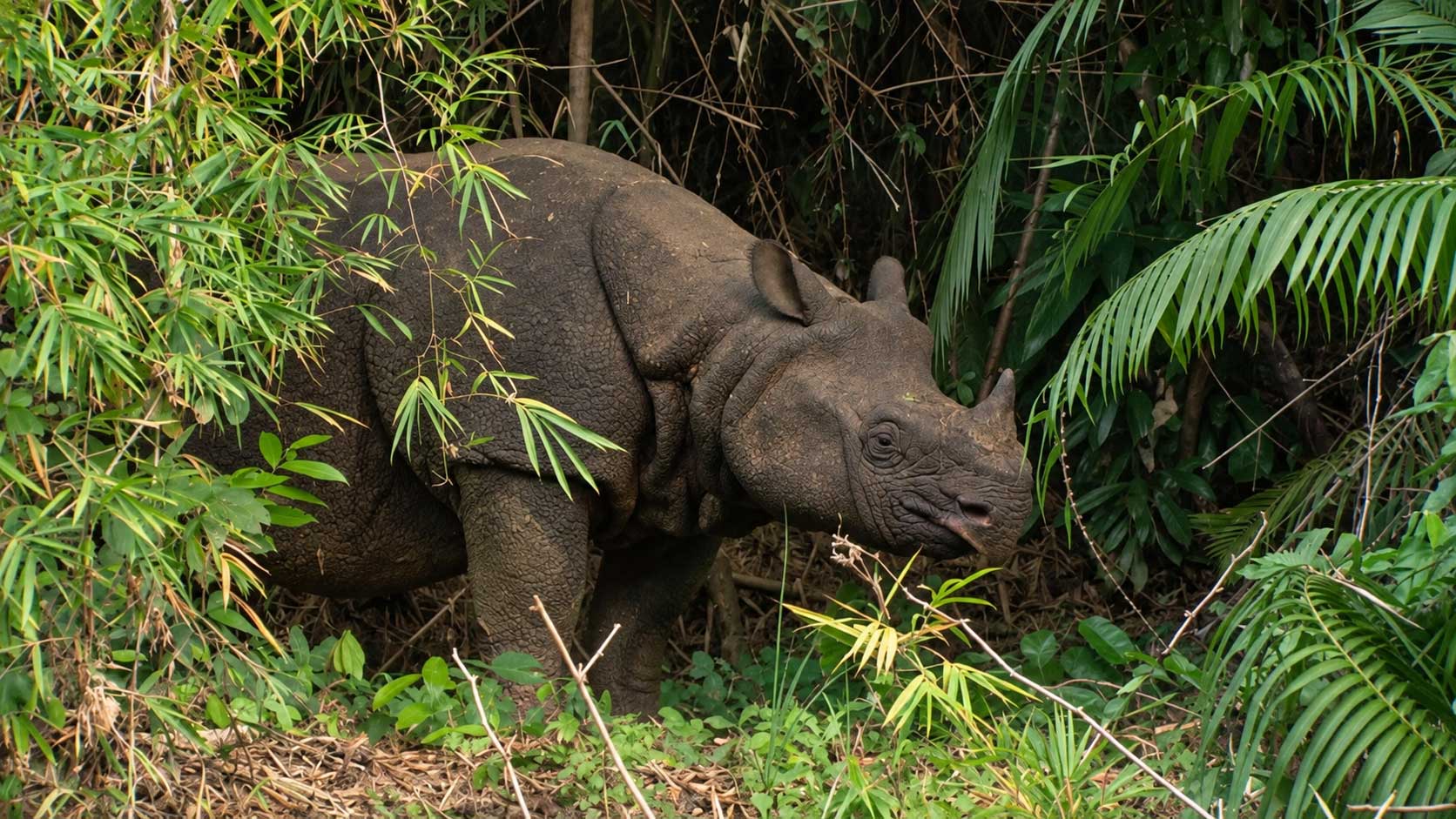
The Last Natural Refuge of the Javan Rhino

Ujung Kulon is globally important as the last natural habitat of the Javan rhinoceros. These animals are extremely rare, shy and carefully protected. A normal visitor itinerary should not be planned around seeing a rhino; sightings are exceptional, and sensitive habitat is managed for conservation rather than wildlife tourism. The value of visiting Ujung Kulon is experiencing the wider ecosystem that makes the survival of this species possible.

Visitor experience

What Can You Experience in Ujung Kulon?

Trips can combine islands, forest, wildlife, beaches and water-based activities, depending on the route, season and park regulations.

Highlights of the Park

  • Walk through tropical lowland rainforest and coastal forest.
  • Visit remote islands such as Peucang and Handeuleum on suitable itineraries.
  • Enjoy quiet beaches and clear coastal scenery away from major resort areas.
  • Look for monkeys, deer, wild boar, birds and other forest wildlife.
  • Explore rivers, mangroves or marine areas when included in the permitted route.
  • Learn how conservation protects one of Java's most important surviving ecosystems.

Good to Know Before You Go

  • Ujung Kulon is a protected national park, so permitted routes and activities matter.
  • Entry procedures, permits and guide requirements should be confirmed before travel.
  • Wildlife sightings are never guaranteed and should be treated as a bonus.
  • Rain, tides and sea conditions can affect boat travel and daily plans.
  • Visitors should follow Leave No Trace principles and all instructions from park staff or guides.
  • Expect limited infrastructure in remote parts of the park and prepare accordingly.
Getting there

Reaching Ujung Kulon from the West Coast of Banten

Ujung Kulon is reached through the western Banten region, with travel commonly involving a combination of road transport and boat transfer. Depending on the itinerary, visitors may travel toward gateways such as Sumur before continuing by boat to islands or coastal points within the park. Routes vary considerably between day visits, multi-day island trips and overland journeys, so the practical starting point should be matched to the specific program. Weather, tides and sea conditions can also influence departure times and route choices.

Planning your visit

Travel With Time, Flexibility and Respect for the Park

Ujung Kulon rewards travelers who do not rush. Multi-day trips allow more time for island visits, forest walks, wildlife observation and changes in weather or sea conditions. Light, breathable clothing, sun protection, insect repellent, suitable walking footwear, reusable drinking water and dry storage are useful in this tropical environment. Because conservation rules and access arrangements can change, confirm the latest requirements before departure and follow the instructions of authorized guides and park authorities throughout the visit.

Explore Ujung Kulon

Ready to Discover Ujung Kulon?

Explore our Ujung Kulon tours or contact us to plan a private journey based on your preferred duration, interests and current park conditions.